
How We Shot Monolith: One Actor, One Location, Under $500K - film student discussion
Double-click to edit...
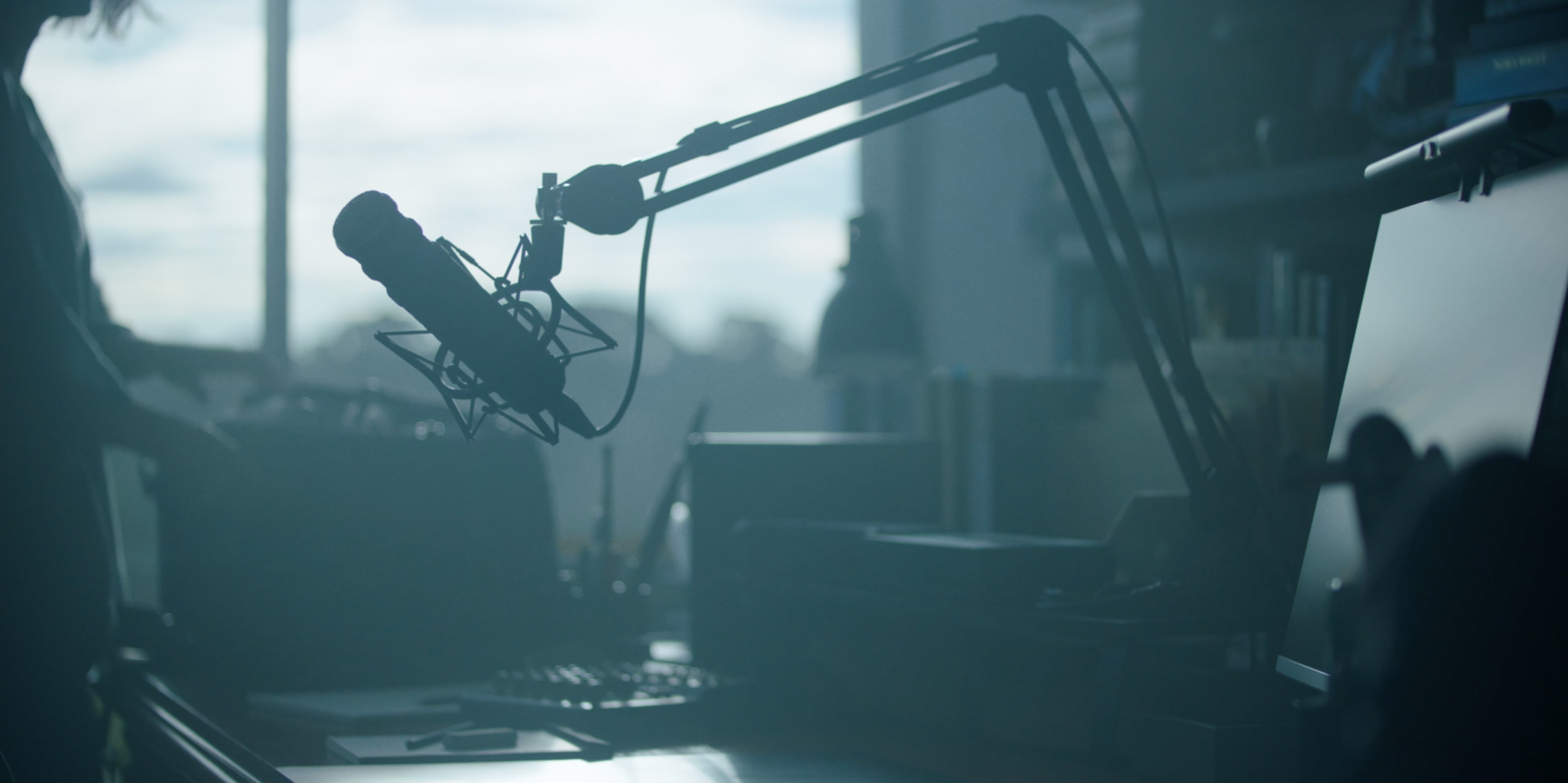
In 2022 I photographed Monolith, a science-fiction thriller with one actor on screen, one primary location, fifteen shoot days, and a total budget under AUD $500,000. The film ended up travelling much further than any of us expected — SXSW, a long festival run, international release — and as a result it's the project people ask me about most, usually because they're planning a contained, low-budget feature of their own.
So rather than answering the same questions one email at a time, here's the full breakdown: how we approached a single-location film visually, the systems that kept it from feeling repetitive, and what I'd pass on to anyone attempting one. None of it is revolutionary — most of it is old techniques applied with a lot of planning — but I would have loved to read something like this before we started.
The constraints (and why they were the point)
Monolith came out of Film Lab: New Voices, an initiative from the South Australian Film Corporation and Adelaide Film Festival designed to get low-budget features made by emerging teams. Director Matt Vesely, writer Lucy Campbell and producer Bettina Hamilton developed the script over eleven months knowing exactly what the production funding would be.
The smartest decision on the whole film happened before I was even attached: Lucy, Matt and Bettina wrote the film for the budget rather than squeezing a bigger idea into it. One actor. One house. A story told through phone calls. The constraint wasn't something we worked around — it was built into the concept from day one, and everything below flows from that.
My job was the flip side of that decision: a film that could easily end up looking like ninety minutes in the same three rooms needed a plan to keep it visually alive.
The chapter system: giving one location nine visual identities
The core of our approach was something Matt and I built together in prep: the chapter document. We broke the script into eight or nine chapters, each anchored to a major turning point, and gave every chapter its own set of visual rules — rules that deliberately change as the story tightens.
Roughly - Progression worked like this
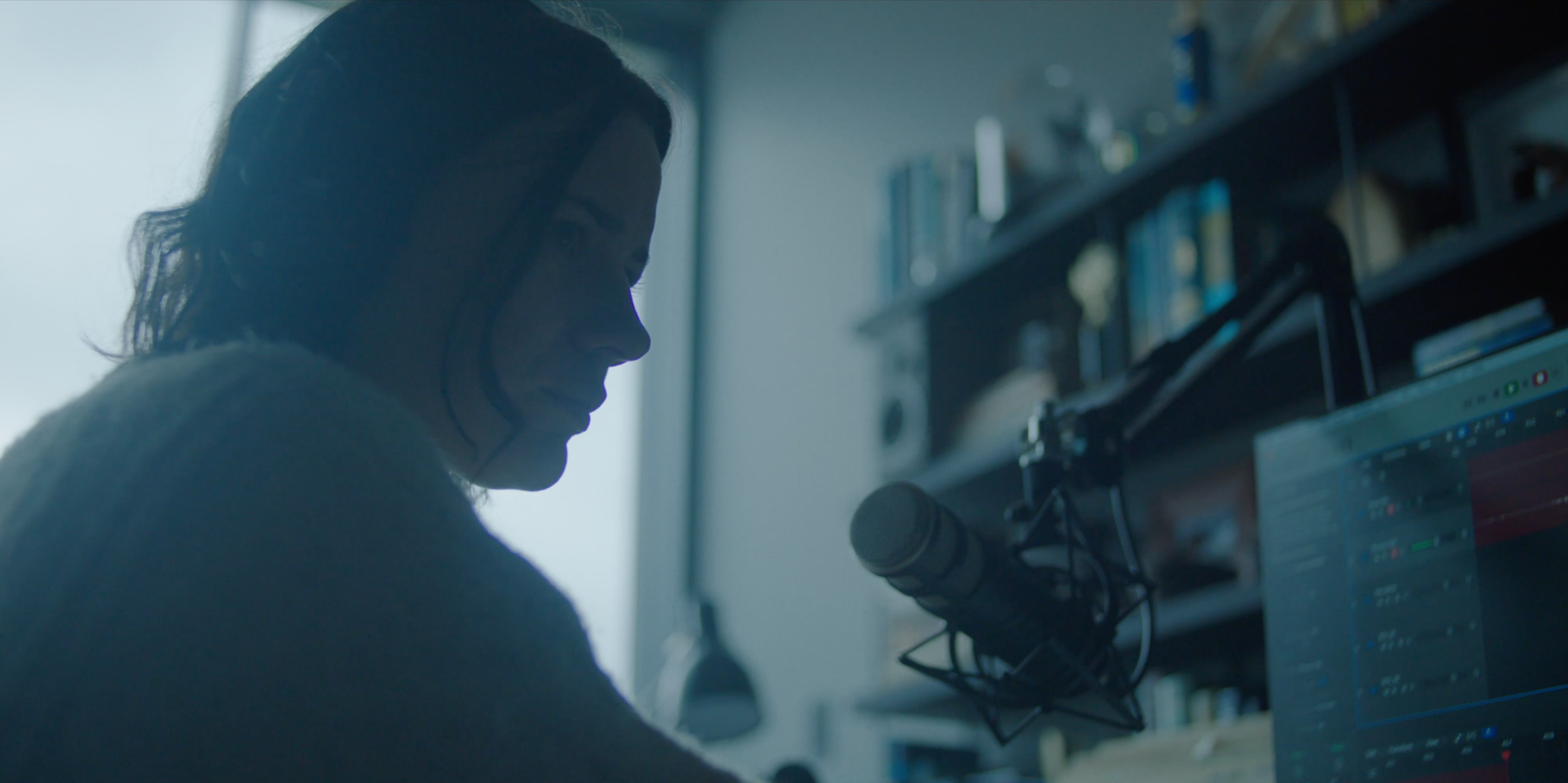
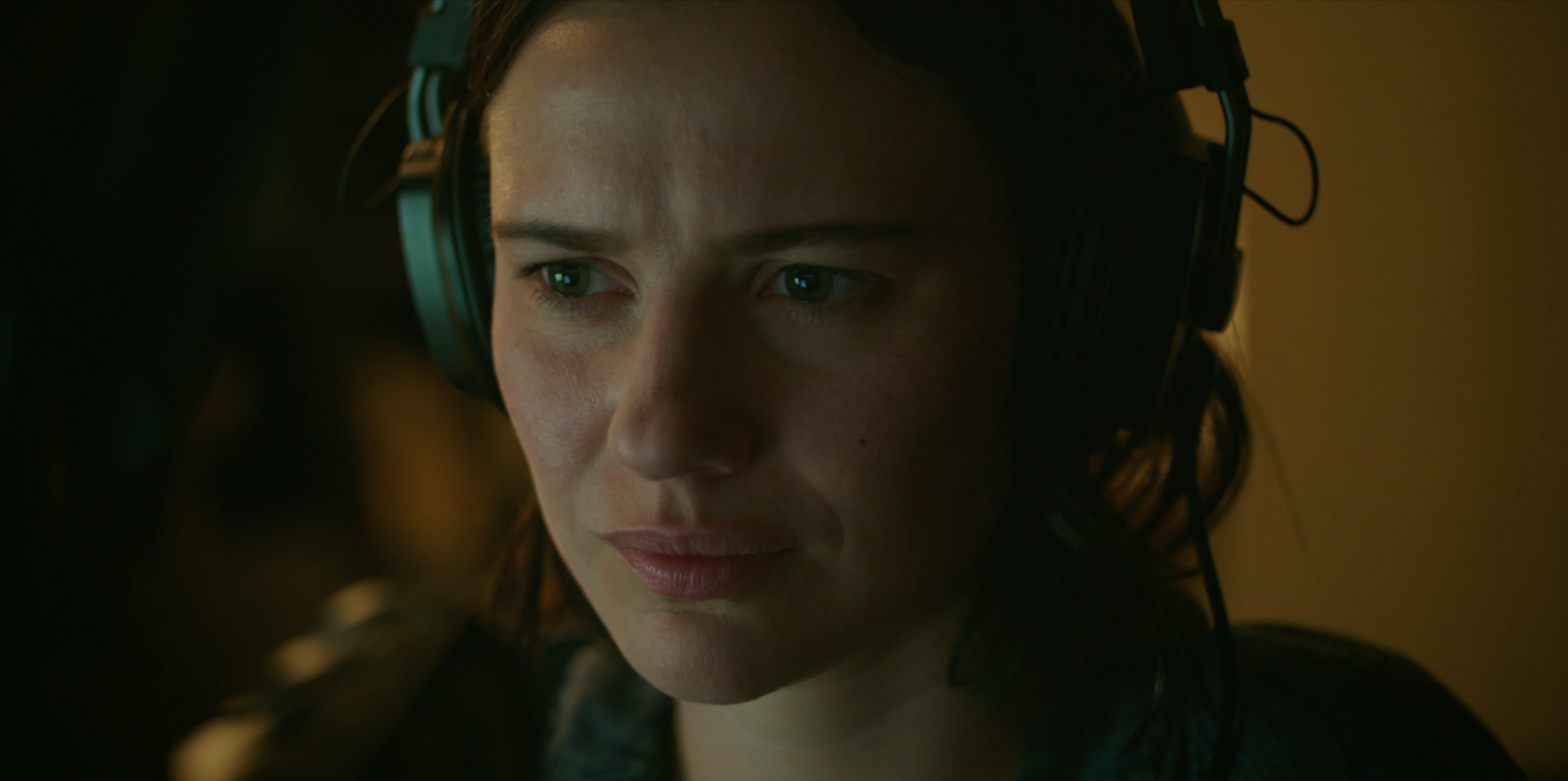
Opening: no picture at all — the film starts in darkness, sound first, because this is a story about a podcast Early chapters: we withhold the lead's face. Hands, back of head, the recording rig. You're listening, not watching Middle: we finally give you her face, but the camera is locked off and observational — static, watching her from a slight remove, like something in the house is studying her Escalation: the camera begins to move. Slow pushes at first, then more Unravelling: she starts falling out of frame, compositions destabilise, we get closer than is comfortable
Audiences don't consciously clock any of this, and they shouldn't. The hope is simply that they feel it — the film gets more visually active at roughly the rate the character loses her grip, which helps a movie with one person in one house keep moving.
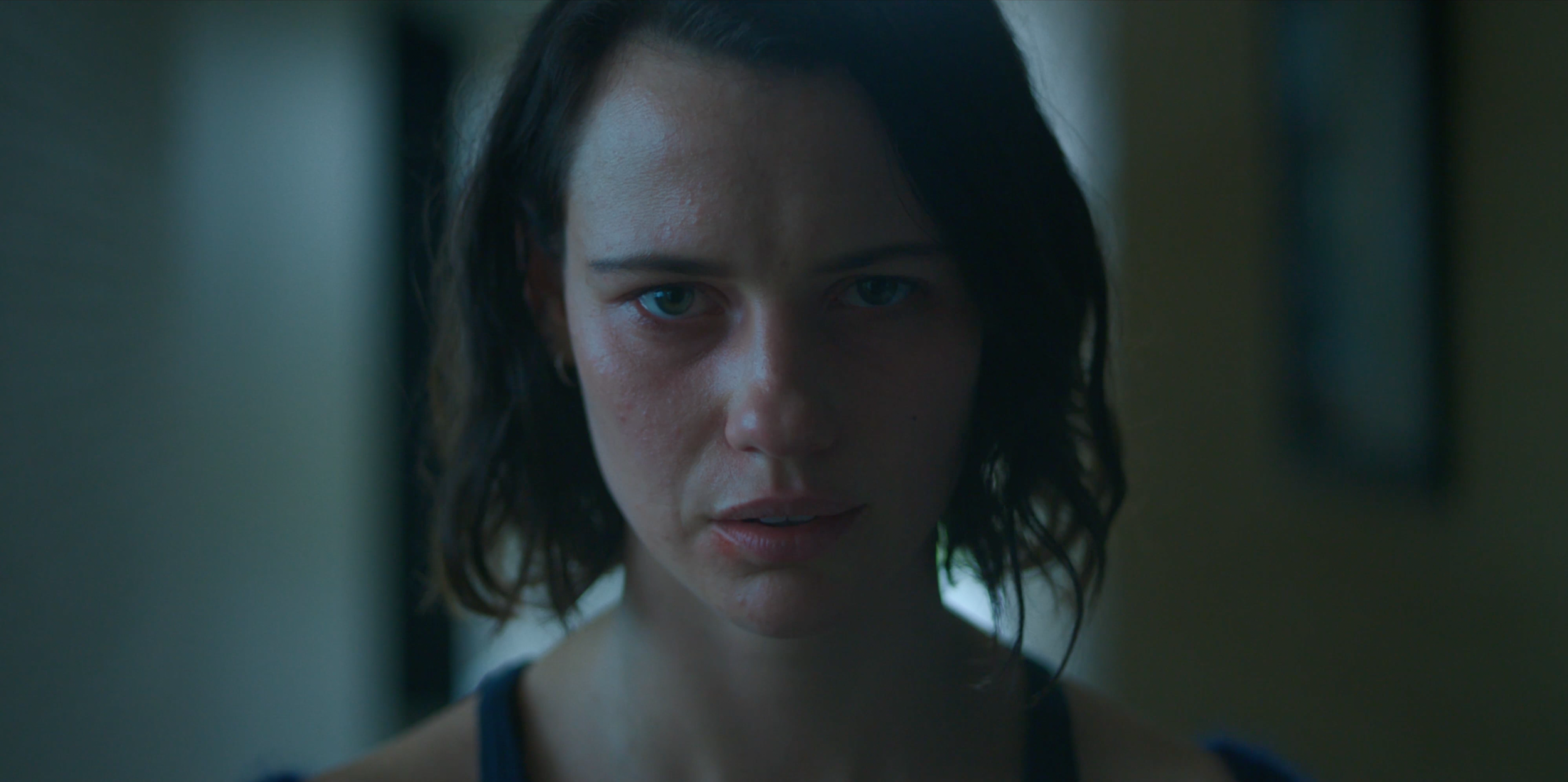
If you're planning a contained film, this is the most useful thing we did: write visual rules per act, and make the rules change. In our experience, variety within one location doesn't come from finding new corners of the house — it comes from changing how the camera behaves in the same corners.
Using the house as a map of her mind
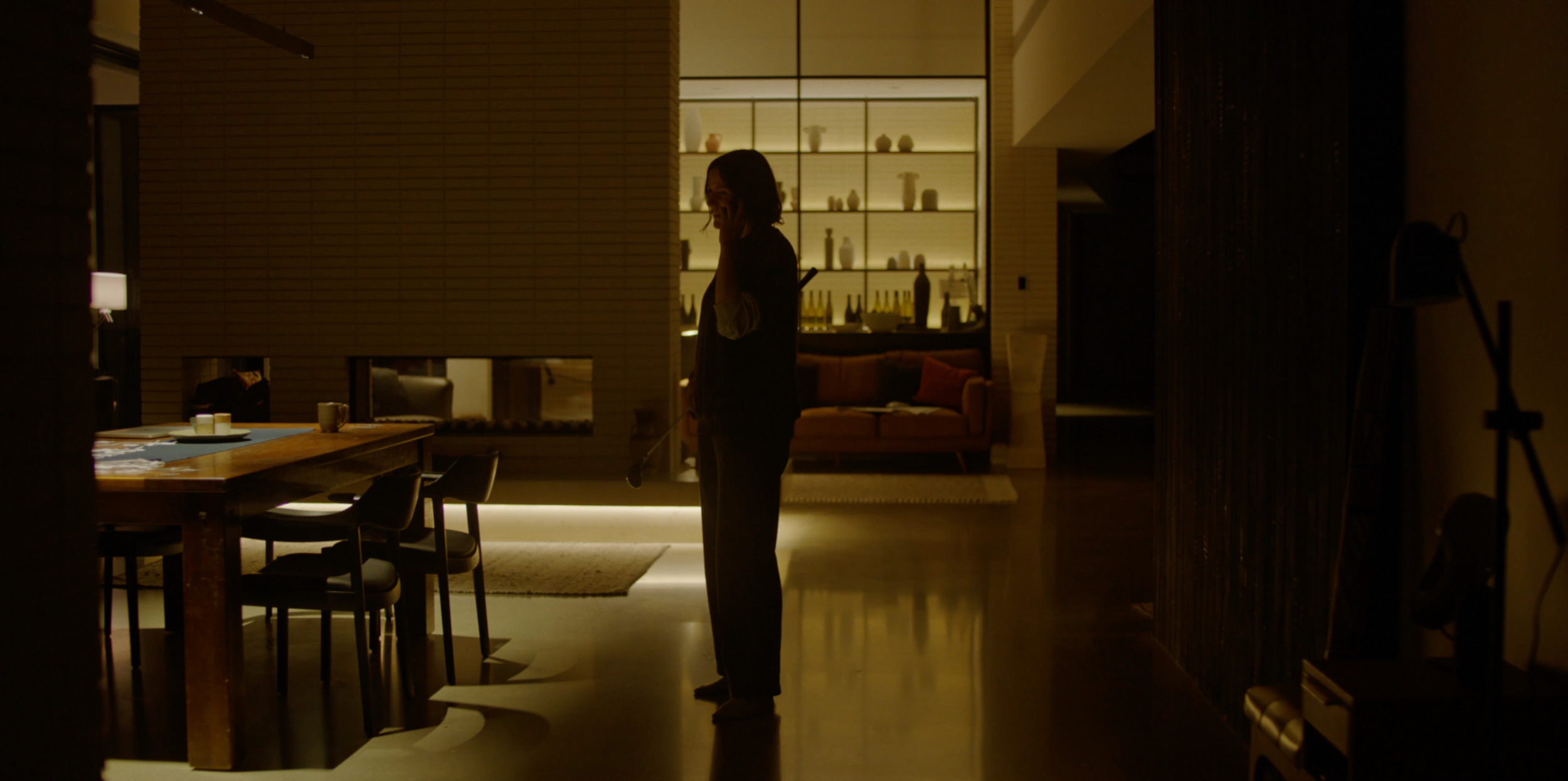
That said, we did also treat geography as progression. We blocked the film so Lily Sullivan's character migrates through the house as the story unfolds — new chapters open up new spaces, so the audience is always somewhere slightly unfamiliar even though we never leave the property.
Production designer Jonah Booth-Remmers transformed a modern home in the Adelaide Hills into the character's fortress: floor-to-ceiling glass, cool grey tones, misty paddocks outside. The house's growing dishevelment was scheduled like a character arc — clean and controlled early, buried in printouts, dishes and cigarette butts by the end.
Shooting in story order — the low-budget superpower
We shot the entire film chronologically, in the same order as the events in the script. On most features that's an unaffordable luxury. On a single-location film it costs you almost nothing — and it paid for itself many times over.
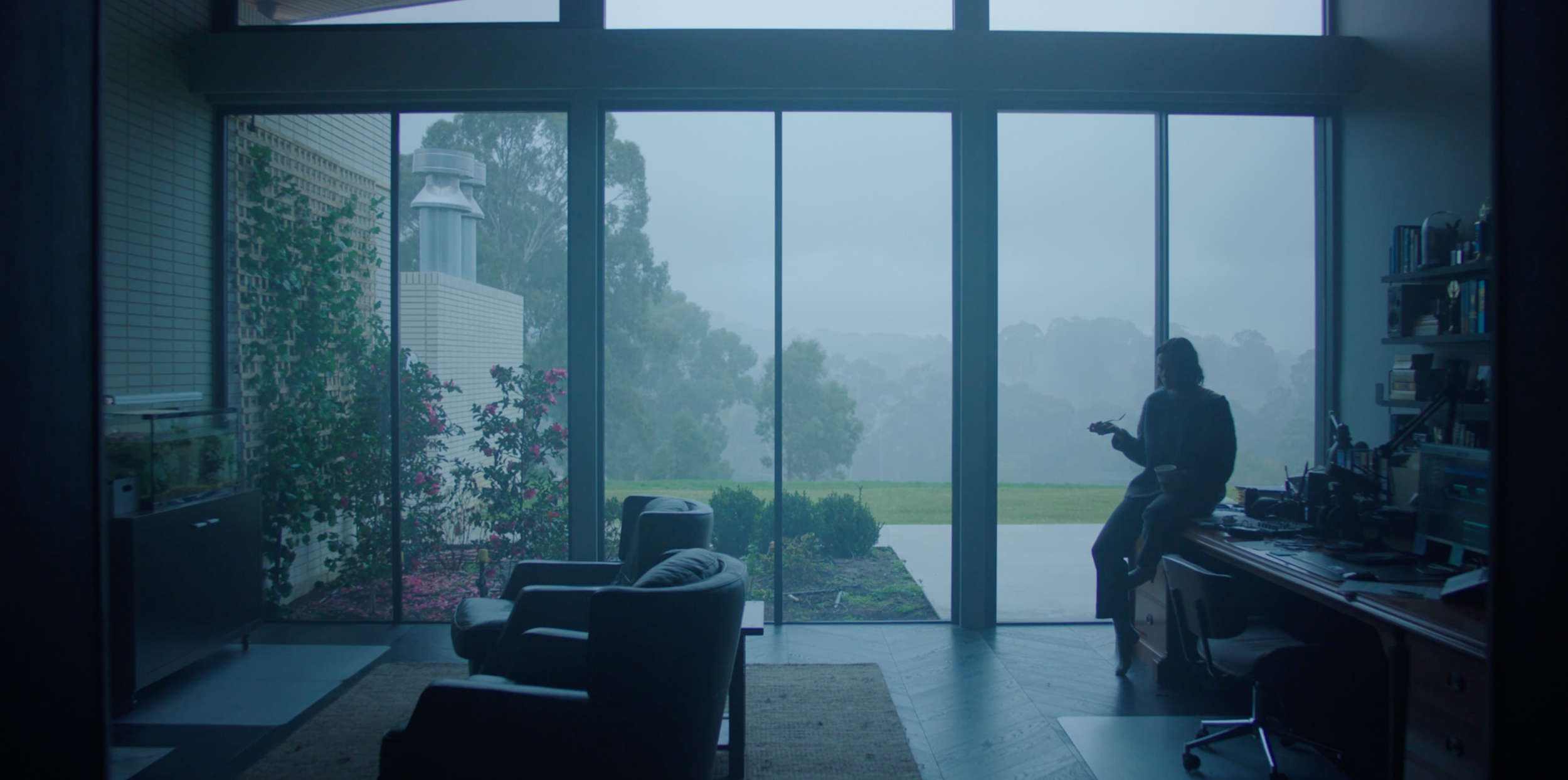
It meant the set could genuinely decay rather than being reset. It meant our visual-rules escalation was shot in order, so every department could feel the tightening. And it meant Lily's performance degraded in real continuity — put the first scene next to the last and she looks like a different person, because by then she'd genuinely lived in that headspace for three weeks.
The camera package
We shot Monolith on the ARRI Alexa Mini LF, paired with something a bit less conventional: my own personal set of Hasselblad medium-format stills lenses on an adapter mount.
That choice did a lot of work for us. The large-format sensor with medium-format glass gave the film a smooth, shallow rendering that felt bigger than the budget — and because they're vintage stills lenses rather than a hired cinema set, the look came with character built in and didn't cost the production a rental line. On a film this size, owning glass with a point of view is worth more than access to a perfect modern set. We then used filtration to soften the lenses further, taking the edge off the digital sensor and settling everything into the slightly dreamlike register the story needed.
The lighting philosophy was naturalism — built around the house and what was already there. The honest version of this is that small budgets can't control all the light. You don't have the units, the crew or the hours to overpower the sun coming through floor-to-ceiling glass, so we stopped treating that as a limitation and made it the approach: work with the existing light, then enhance and shape it. Negative fill, small sources to lift and direct what the windows were giving us, and scheduling scenes for when the house lit them best. The location did a lot of the lighting; our job was to steer it.
None of that reads as compromise on screen — it reads as a look. Which is the recurring theme of this whole post: pick an approach the budget can actually sustain, then commit to it completely.
In-camera tricks over VFX
The most technically involved shot in the film — a continuous move where the character confronts a second version of herself, both played by Lily — was solved entirely in camera with an old Hollywood technique called a Texas switch. No VFX, no motion control; just blocking, rehearsal and a patient double. I've told that story in full (along with the freezing lake we waded into for the film's final sequence) in my [Monolith behind-the-scenes interview], so I won't repeat it here — but the broader point belongs in this post: on a micro-budget, decades-old in-camera techniques are free, and they held up.
What I'd tell anyone shooting a single-location feature
Solve it in the writing. The budget ceiling should shape the concept before it ever shapes the shot list. Build a chapter document. Divide the script at its turning points and assign each section visual rules that evolve. This is what stops a contained film feeling static. Withhold, then spend. Every tool you don't use early — camera movement, close-ups, even the actor's face — becomes a powerful reveal later. Restraint is your production value. Shoot chronologically if you can. On one location it's nearly free, and it compounds performance, design and photography all at once. Choreograph instead of composite. Our most complex shot cost us rehearsal time and a double, not a VFX line item. Old in-camera techniques are free. One core idea per department. With fifteen days, nobody has bandwidth for five clever ideas. Pick the one that serves the story and execute it completely.
Frequently asked questions
What was Monolith's budget? Under AUD $500,000 in total, with initial production funding of around $400,000 through the SAFC and Adelaide Film Festival's Film Lab: New Voices program.
How long was the shoot? Fifteen days, shot consecutively and in chronological story order, in mid-2022.
Where was Monolith filmed? In a single house in the Adelaide Hills, South Australia, with the surrounding paddocks and lake used for the film's exterior moments.
Is there really only one actor? Lily Sullivan is the only performer who appears on screen. The rest of the cast — including Damon Herriman, Erik Thomson and Kate Box — exist entirely as voices on phone calls, recorded largely in post.
Monolith exists because of a lot of people working well beyond the budget — Matt, Lucy, Bettina, Lily, and a small crew who treated a micro-budget film like it mattered. It's streaming now on Amazon Prime and available for rent on Apple and Fetch.
If you're planning a contained feature and have questions the post didn't cover, feel free to get in touch — I'm always happy to talk through this stuff.