
Filming in South Australia
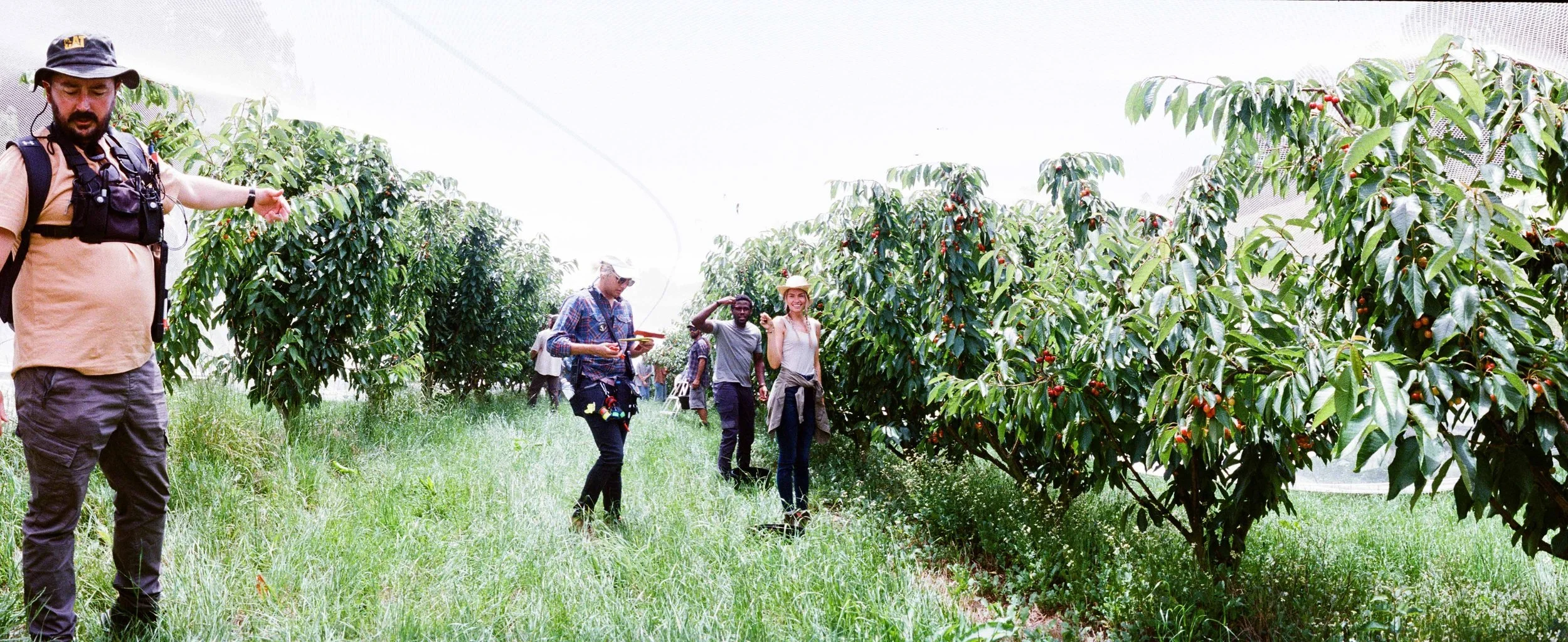
Talk to Me, Bring Her Back, Mortal Kombat, The Tourist, The Stranger, The Royal Hotel, RFDS. That's a partial list of what's shot in and around Adelaide in recent years, and there are reasons for it. South Australia has real location diversity within short drives, a crew base kept match-fit by a steady pipeline of features and streaming series, and a state screen agency that behaves like a production partner rather than a grants office.
I've shot six features and a Netflix original series here, including Monolith, which earned a SXSW Grand Jury nomination for its cinematography, so I'll admit a home-ground bias. But the productions listed above all had a choice of where to shoot. They chose here.
The locations: what you get
The variety per kilometre is unlike anywhere else I've worked, and it's the first thing visiting directors comment on.
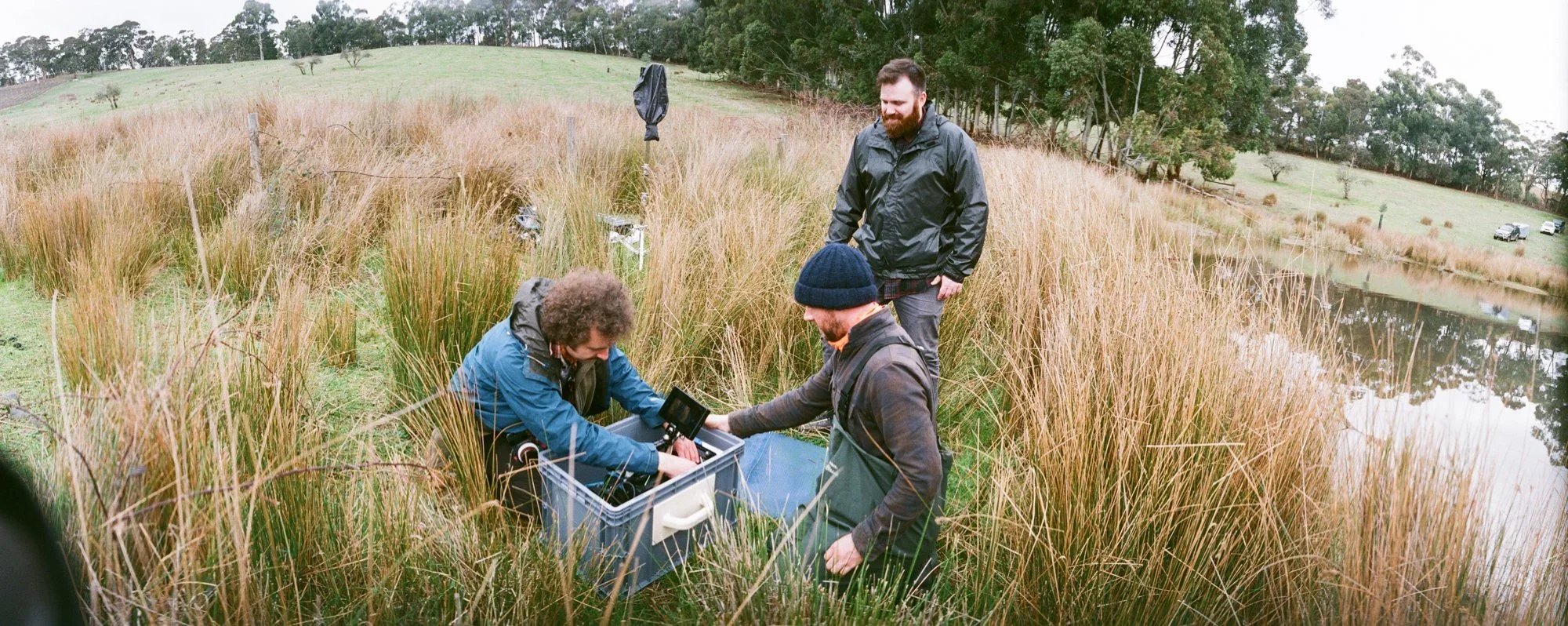
Coastline. Rapid Bay's cliffs and jetty give you drama an hour and a bit from the CBD. I've shot there and it reads far bigger on screen than the drive suggests. The Fleurieu Peninsula offers everything from wide surf beaches to small coves, and further out, the Eyre Peninsula coastline works at a properly cinematic scale. And there's a geographic gift that interstate crews don't clock until they're standing on the sand: this coastline faces west, so the sun sets over the water. On the east coast you choose between shooting into a pretty view in flat evening light or turning your back on it for the backlight. Here you don't choose. Golden hour puts the sun low over the ocean, and you get beautiful natural backlight with the water and the horizon still in frame. I've built whole end-of-day scenes around it, and it turns the last hour of a beach shoot day into the most valuable one on the schedule.
Forest and hills. Kuitpo Forest's pine plantations are forty-five minutes from town and can double for Europe or North America with the right lensing. The Adelaide Hills add vineyards, stone villages and cold-climate light that behaves differently to the harder light on the plains.
Desert and outback. The Flinders Ranges and the country beyond are the reason so many post-apocalyptic and outback stories come here. You can be in convincingly remote, ancient landscape within a few hours of a capital city with an international airport. Most productions never get offered that logistics equation.
Urban and period. Adelaide's CBD is compact, film-friendly and far easier to lock off than the eastern capitals. The stone architecture across the city and the mid-north towns gives you period textures without set builds. The houses are the quiet asset. I've shot homes that read as North American suburbia, European stone cottages and unmistakably Australian streets, all within a twenty minute drive of the CBD and the film studios. The suburbs run from mid-century brick to leafy period streets to new estates, so an art department can find the right front door without a single overnight move, and company moves stay short all shoot. On contained, house-heavy films, which is a lot of what gets made at this budget level, that range next to a stage is worth more than any single hero location. It's schedule, and schedule is money.
The crew base: deeper than you'd expect
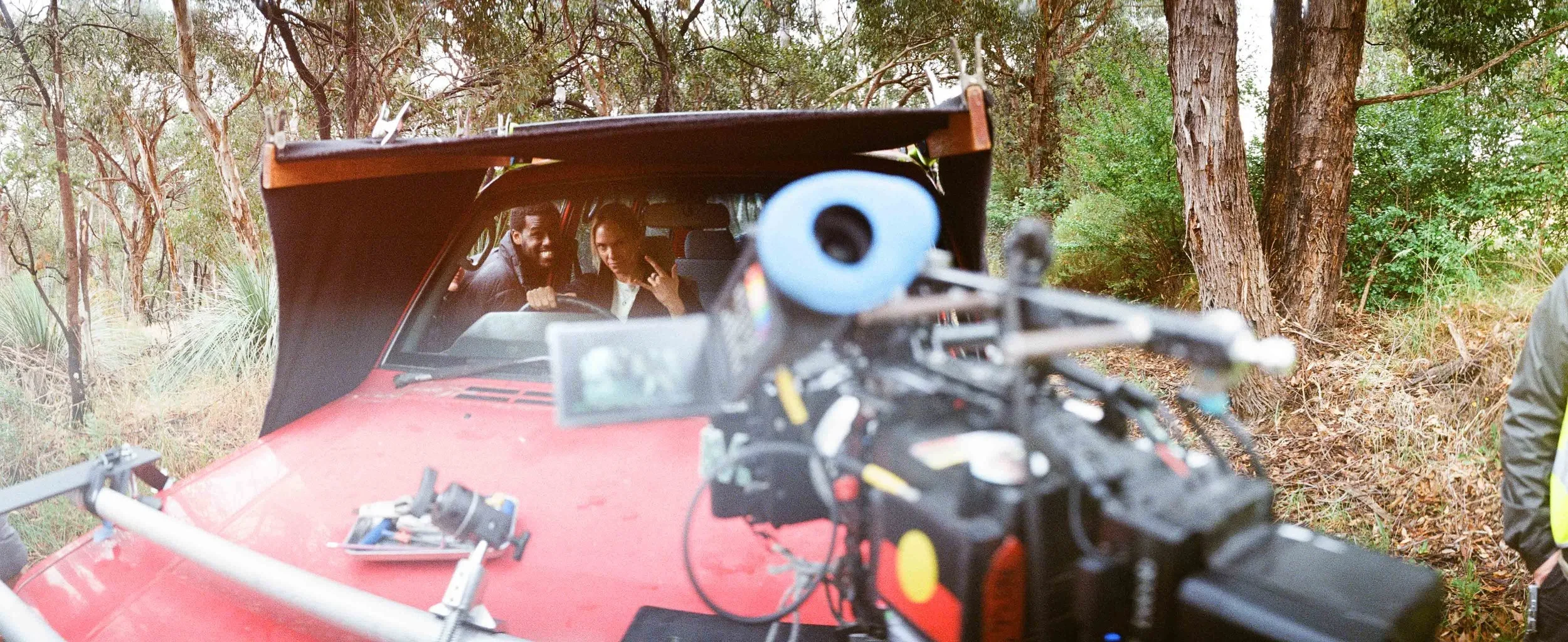
This is the question interstate producers ask most carefully, so here's the straight answer. South Australia crews multiple overlapping features and series without importing whole departments. The steady run of studio features and streaming productions through Adelaide has kept every department working consistently at scale: camera, grip, electrics, art, costume, post.
Post-production and VFX are also strong locally. The state has world-class post houses and a growing VFX sector, which matters when you get to the incentives below.
Adelaide Studios
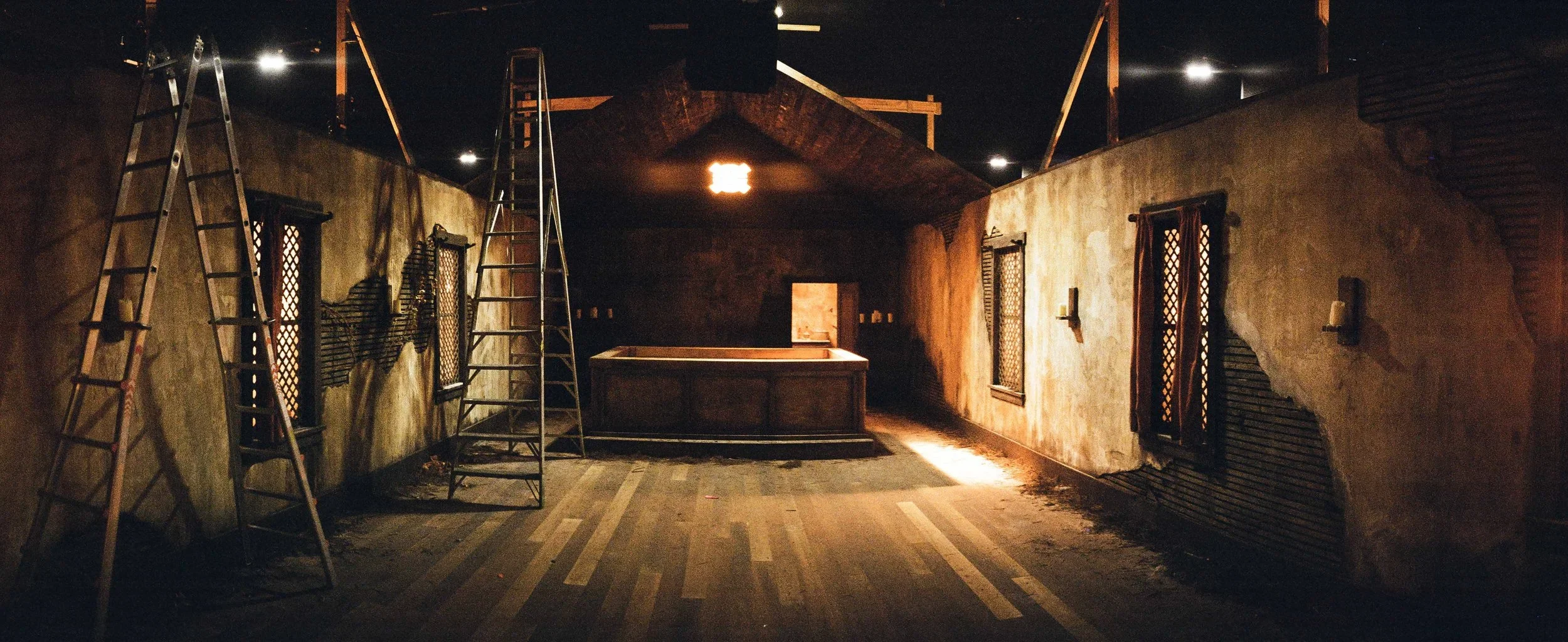
Five minutes from the CBD and twenty from the international airport, Adelaide Studios gives you sound stages, production offices, and a screen-industry precinct with post, casting and production businesses on site. It's managed by the South Australian Film Corporation, and the practical benefit is that your stage, your agency contact and a good part of your vendor list live at the same address. Talk to Me, Bring Her Back, Mortal Kombat and The Tourist all based there.
Incentives
The SAFC's incentives are competitive and current details are on their website, so I won't repeat them here. The two things worth knowing from the ground: the state and federal post-production incentives stack, which is part of why productions that come for the locations often finish here too, and the SAFC tailors packages project by project, so a direct conversation with their production executives is worth more than anything published. For inbound projects, they're the right first call.
What I'd tell a producer considering SA
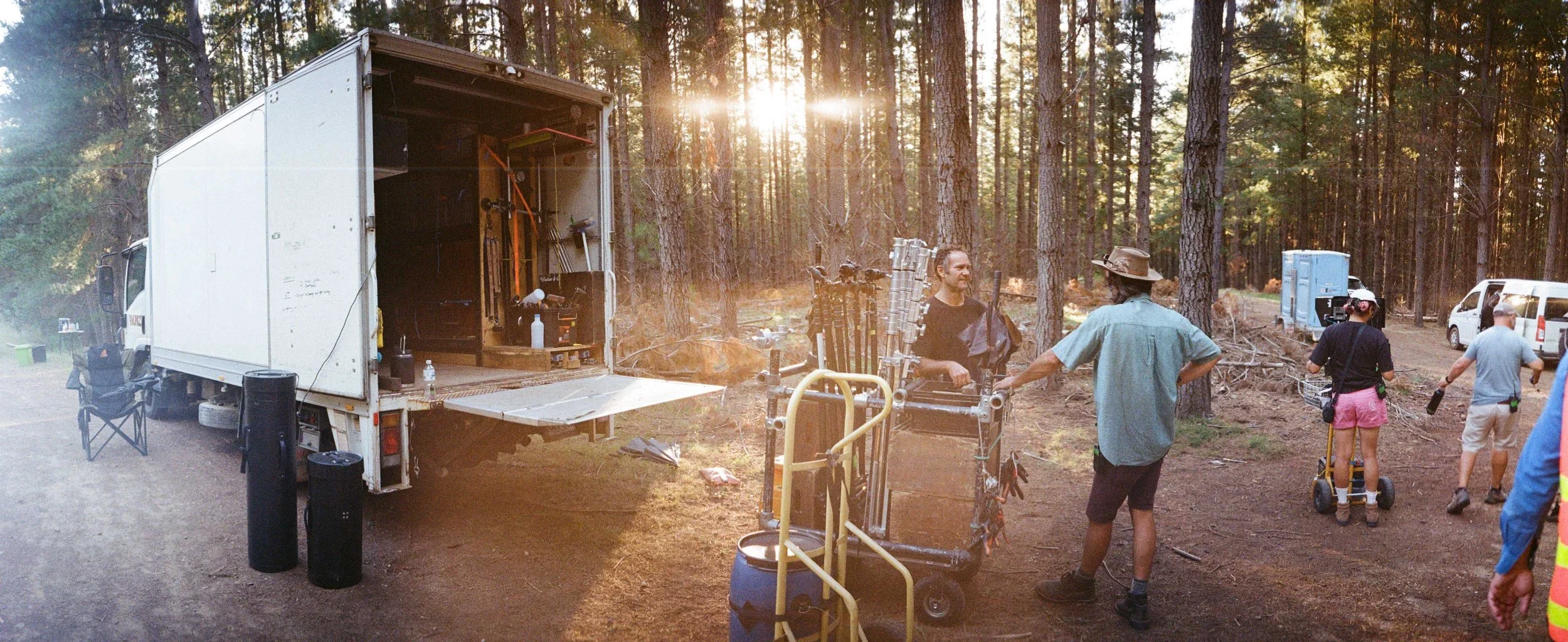
Come do the recce. Every production I've worked with that was on the fence stopped being on the fence once they'd driven the Fleurieu, walked a stage at the Studios and met a few HODs. The combination of location range, crew quality, studio infrastructure and a stackable incentive package is unusual, and the fact that it all sits within short drives of one airport is the part spreadsheets undersell.
If you're weighing up South Australia for a feature, series or commercial campaign and want a DP's-eye view of locations, crew or logistics, get in touch. I'm always happy to talk through what the state can do for a specific script. And if you want to see what SA locations look like on screen, my breakdown of shooting Monolith, one actor, one location, under $500K, is [here]
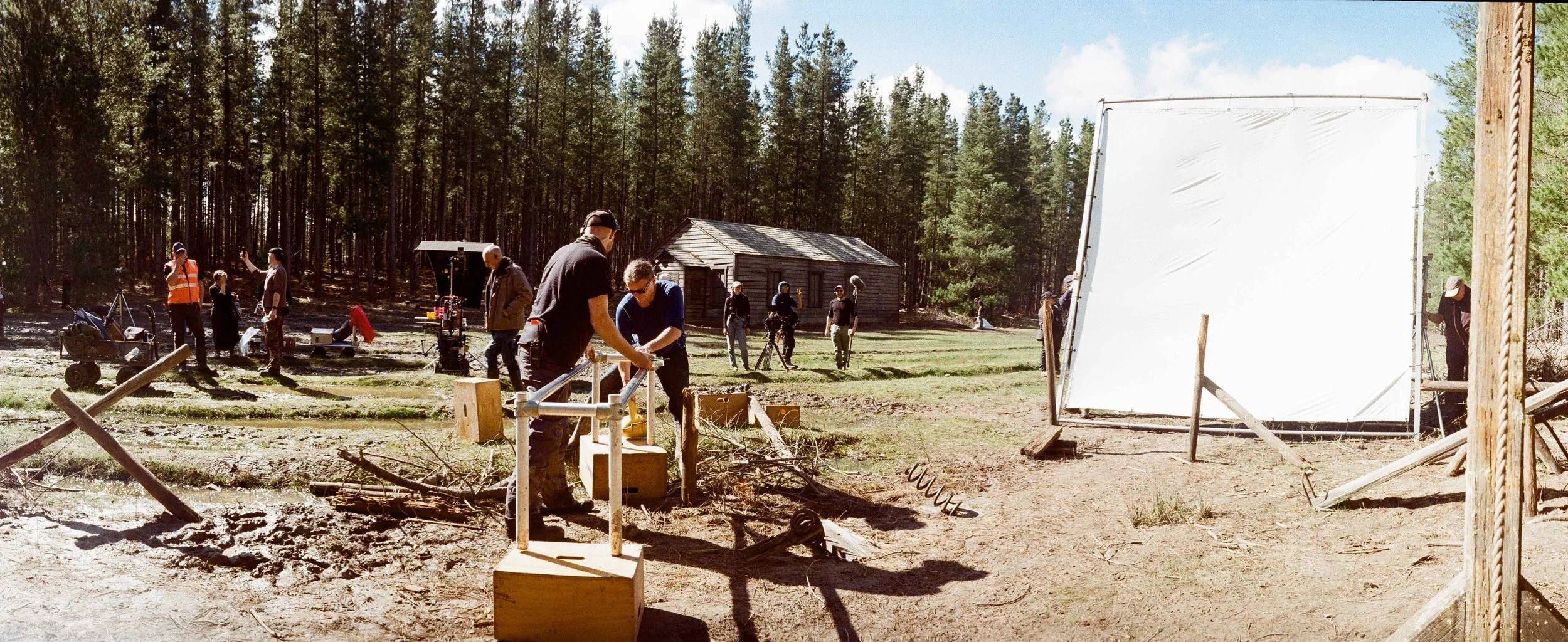
Michael Tessari is a freelance cinematographer and director of photography based in Adelaide, South Australia. His features include the SXSW-nominated Monolith*,* Diabolic and With or Without You*.* This post is partially written by ai